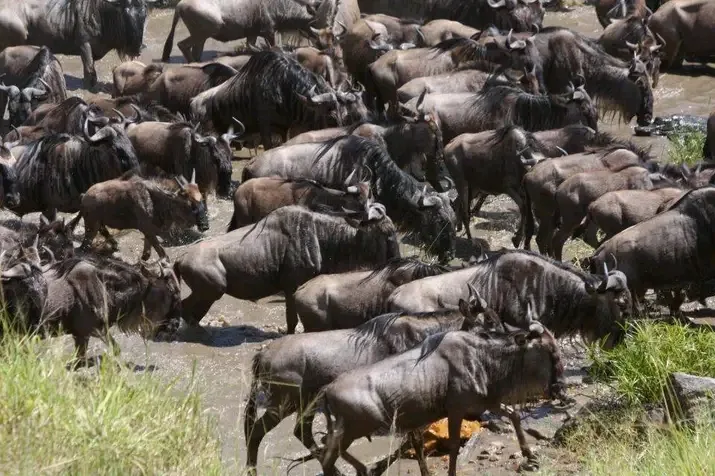
The Great Migration is one of Africa's most remarkable wildlife spectacles. Each year, vast herds of wildebeest, zebra and other grazing animals move through the greater Mara–Serengeti ecosystem in search of fresh pasture and water.
For travellers visiting Kenya, the Masai Mara offers an exceptional opportunity to experience this movement alongside year-round wildlife viewing. But planning a migration safari requires a little more understanding than simply choosing a month from a calendar.
What Is the Great Migration?
The Great Migration is the large-scale seasonal movement of herbivores through the connected ecosystems of Kenya and Tanzania. Wildebeest form the largest part of the movement, accompanied by zebra and other grazing animals.
The animals respond to changing environmental conditions, including rainfall, water availability and the availability of fresh grazing. This means the migration is a natural process rather than an event that begins and ends on exactly the same dates every year.
In Kenya, the Masai Mara is the northern part of this wider ecosystem and is one of the best-known places to experience the migration.
When Is the Great Migration in Masai Mara?
One of the most common questions from safari travellers is: When should I visit the Masai Mara for the migration?
The period commonly associated with major migration activity in the Mara is around July to October. However, the exact timing changes from year to year because the animals follow environmental conditions.
Rather than treating migration dates as guaranteed, it is better to think in terms of a seasonal opportunity. Your safari operator can help you choose travel dates based on your priorities, available time and the type of wildlife experience you want.
The Famous Mara River Crossings
The Mara River crossings are among the most dramatic moments associated with the Great Migration. Large groups of animals may gather near the river before attempting to cross.
But a crossing is a natural wildlife event. Animals may wait for hours, change direction or move to another crossing point. Weather, water levels, predators and herd behaviour can all influence what happens.
This unpredictability is part of what makes the experience special. A safari should be about observing nature, not expecting wildlife to follow a timetable.
What Wildlife Can You See?
The migration is not only about wildebeest. The Masai Mara supports a remarkable range of wildlife throughout the year.
- Wildebeest
- Zebra
- Thomson's and Grant's gazelles
- Lions
- Leopards
- Cheetahs
- Hyenas
- Elephants
- Crocodiles
- Many species of birds and other wildlife
This is one reason the Masai Mara remains a compelling safari destination even when a traveller's visit does not coincide with a major migration movement.
How Many Days Should You Spend in the Masai Mara?
There is no single perfect number of days for every traveller. However, spending several nights in the Mara generally provides more opportunities for game drives and wildlife encounters than trying to rush through the reserve.
A longer stay also gives your safari more flexibility. If wildlife movement changes from one day to the next, your guide has more time to explore different areas of the ecosystem.
The right length depends on your budget, arrival and departure arrangements, other destinations you want to visit and the style of safari you prefer.
Choosing Accommodation
Accommodation can make a significant difference to the character of your safari. The right camp or lodge depends on location, budget, comfort preferences, meal plan and the type of experience you want.
When planning a migration safari, it is useful to consider the location of your accommodation in relation to the areas you want to explore. A good itinerary balances accommodation quality with practical access to the safari experience.
Kaswan Tours and Safaris can help travellers consider available camps and lodges as part of the wider itinerary rather than treating accommodation as an isolated booking.
More Than the Wildebeest Migration
A Masai Mara safari is much more than waiting for the migration. The reserve offers exceptional wildlife viewing throughout the year.
Early morning game drives can offer opportunities to see predators and other wildlife while the landscape is cool and active. Afternoon drives provide another chance to explore different areas and observe changing animal behaviour.
The wider Mara experience can also include opportunities to learn about the local environment and communities, depending on the itinerary and activities selected.
Can You Combine Masai Mara With Other Kenyan Destinations?
Absolutely. One of the advantages of planning a custom Kenya safari is being able to combine different landscapes and wildlife experiences.
Depending on your available time, you could combine the Mara with:
- Amboseli for elephants and views toward Mount Kilimanjaro.
- Lake Nakuru for another distinctive Rift Valley wildlife environment.
- Samburu for a very different northern Kenya landscape and wildlife experience.
- Tsavofor the expansive landscapes and wildlife of Kenya's eastern safari country.
- Kenyan Coast for a beach extension after your safari.
How to Plan Your Great Migration Safari
A successful safari starts with matching the itinerary to the traveller rather than simply selecting a destination.
Consider:
- Your preferred travel dates
- Number of travellers
- Number and ages of children, if travelling as a family
- Desired accommodation standard
- Number of safari days
- Other destinations you would like to include
- Your preferred travel pace
- Your overall budget
If you do not find an existing package that matches your plans, Kaswan Tours and Safaris can develop a customised itinerary around your requirements.
What Should You Pack?
Safari packing is generally straightforward. Comfortable, lightweight clothing, a warm layer for early mornings, comfortable shoes, sun protection, insect repellent, personal medication and a camera or phone are useful starting points.
Neutral or earth-toned clothing is commonly preferred for safari activities, although comfort and suitability for the weather are more important than trying to follow a strict colour rule.
Photography During the Migration
The Masai Mara provides exceptional opportunities for wildlife photography. A camera with a useful telephoto range can help when photographing animals at a distance, while a phone can still capture memorable moments.
Patience is often more valuable than equipment. Wildlife behaviour cannot be scheduled, and some of the best moments may happen while simply observing an animal rather than waiting for a dramatic crossing.
Planning a Family Great Migration Safari
Families can enjoy the Masai Mara, but the itinerary should be designed around the ages of the children, travel time, accommodation and daily safari rhythm.
A well-paced itinerary can reduce unnecessary long transfers and allow enough time for rest between activities.
Why Plan With a Local Safari Operator?
Safari planning involves more than selecting a park. Transport, accommodation, game-drive timing, route planning and the practical details of moving between destinations all affect the experience.
Kaswan Tours and Safaris is rooted in Kenya and serves travellers looking to experience the country through personalised safari journeys. Our approach is to build an itinerary around the traveller's interests rather than forcing every guest into the same journey.
Plan Your Great Migration Safari With Kaswan Tours
The Great Migration is one of the most extraordinary wildlife experiences in Kenya, but the best safari is not necessarily the one built around a single spectacular moment.
Give yourself enough time to explore the Masai Mara, remain flexible about wildlife movement and build the rest of your journey around what you genuinely want to experience.
Whether you are looking for a classic Masai Mara safari, a wider Kenya wildlife circuit or a custom journey that combines safari and the Kenyan Coast, Kaswan Tours and Safaris can help you plan the experience.
READY TO PLAN?
Start Planning Your Kenya Safari
Tell us your preferred dates, number of travellers and the destinations you would like to experience. We can help build a safari around your plans.
Great Migration FAQ
When is the Great Migration in Masai Mara?
The migration does not follow an exact calendar. The timing varies with rainfall, pasture and environmental conditions. The period commonly associated with major migration activity in the Mara is around July to October, but the actual movement can vary from year to year.
Can I guarantee seeing a Mara River crossing?
No. River crossings are natural wildlife events and cannot be guaranteed. Herd behaviour, weather, river conditions and other environmental factors influence when and where crossings occur.
How many days do I need for a Great Migration safari?
A stay of several nights gives you more opportunities to explore the Mara and respond to wildlife movement. The ideal length depends on your wider itinerary, budget and travel priorities.
Can I combine Masai Mara with other Kenyan destinations?
Yes. The Mara can be combined with destinations including Amboseli, Lake Nakuru, Samburu, Tsavo and the Kenyan Coast, depending on the time available.